Baby health
Green Baby Poop? 5 Normal (and Abnormal) Reasons
Learn why your baby poop turns green and when it is normal vs a warning sign requiring a doctor visit.
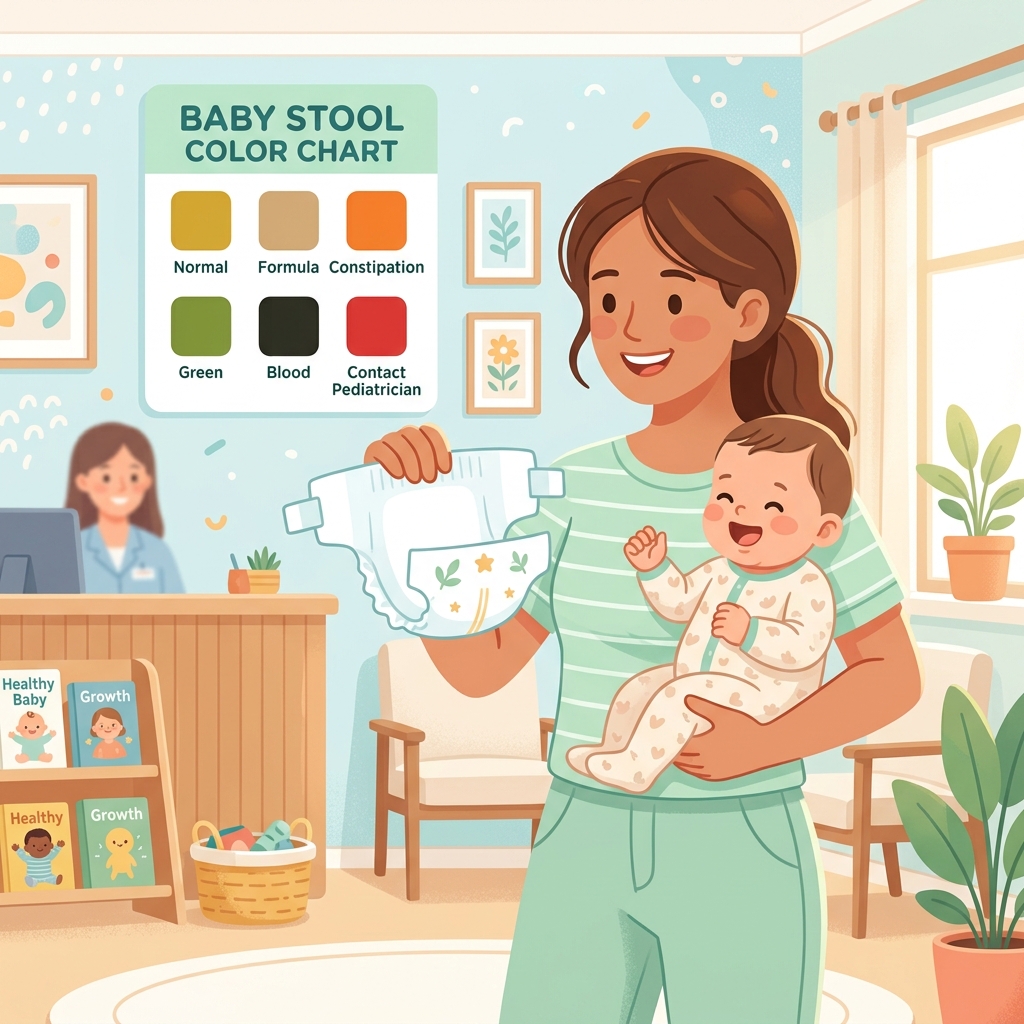
Few things prepare you for the sheer amount of time you will spend analyzing your newborn’s diaper contents. In the quiet, vulnerable moments of early parenthood, a sudden shift in your baby’s stool color can trigger an immediate wave of postpartum anxiety.
You find yourself staring into a diaper at 2 AM, typing frantic queries into search engines: Why is my baby’s poop bright green? Is it an infection? Did my breast milk cause this?
First, take a deep breath. Infant digestive systems are highly sensitive, rapidly evolving, and adapting to a completely new world outside the womb. Because of this, dramatic changes in stool color and consistency are incredibly common. While mustard yellow is often celebrated as the “golden standard” for infant stool, variations of green are frequently entirely benign.
This clinically vetted guide breaks down the five most common reasons for green baby poop, helping you easily differentiate between normal digestive adjustments and symptoms that require an expert clinical evaluation.
- The Meconium Phase (Completely Normal)
If your baby is only a few days old, green stool is not only normal—it is a sign that their gastrointestinal tract is functioning perfectly.
During the first 24 to 48 hours after delivery, newborns pass a thick, tarry, blackish-green substance called meconium. This material is composed of amniotic fluid, mucus, skin cells, and other particles swallowed while in the womb under the care of your obstetrician and gynecologist.
[Day 1-2: Thick Black/Green Meconium] ➔ [Day 3-4: Army Green Transitional Stool] ➔ [Day 5+: Mustard Yellow/Normal Stool]
As you begin breastfeeding or formula-feeding, the stool undergoes a natural transition. By day three or four, the stool turns an army-green or yellowish-green color and becomes less sticky. This “transitional stool” confirms that your baby’s digestive tract is successfully processing milk. By week one, it typically settles into a standard yellow or light brown shade.
- The Foremilk/Hindmilk Imbalance (Normal but Adjust-Worthy)
For breastfed infants, a very specific nursing dynamic can turn the stool a bright, frothy, lime-green color.
Human breast milk naturally changes consistency during a single feeding session:
Foremilk: The milk available at the beginning of a feed. It is thin, watery, and highly rich in lactose (sugar).
Hindmilk: The creamier, denser milk that arrives toward the end of the feed, packed with essential fats.
If a mother has an oversupply of milk, or switches the baby from one breast to the other too quickly, the infant may fill up entirely on low-fat, high-lactose foremilk.
The Digestive Reality: When a baby digests a large volume of lactose without enough stabilizing fat from the hindmilk, the food moves through their intestines at an accelerated rate. This rapid digestion causes gas, mild fussiness, and a distinct, frothy green bowel movement. It is not a medical illness, but rather a mechanical pacing mismatch that resolves easily by ensuring your baby fully empties one breast before switching to the next.
- Iron Supplements and Dietary Factors (Completely Normal)
What goes into a baby—or into a breastfeeding mother—directly dictates what comes out in the diaper.
Iron Enrichment
If your pediatrician has prescribed supplemental iron drops for your infant, or if your baby is consuming an iron-fortified infant formula, their stool will very frequently turn a dark green, almost blackish shade. This is a harmless chemical reaction to unabsorbed iron passing through the bowels and is no cause for concern.
Maternal or Infant Diet
If your baby has started solid foods (around 6 months of age) and is eating pureed spinach, peas, or broccoli, their stool will mirror their diet. Similarly, if you are breastfeeding and consuming large quantities of green vegetables, artificial food dyes, or certain herbal supplements, these compounds can safely tint your infant’s bowel movements green.
- Gastrointestinal Illness or Infection (Abnormal)
When green poop is accompanied by a sudden change in consistency and behavior, it may indicate a mild viral or bacterial stomach bug.
The Mechanism of Bile
To understand why an illness causes green stool, it helps to understand how digestion works. Your baby’s liver naturally secretes a bright green fluid called bile into the small intestine to break down fats. As food moves normally through the digestive tract, intestinal bacteria break down the bile, transforming its color from green to brown or yellow.
When an infant has a stomach virus or diarrhea, the intestines become inflamed and irritated. Food is rushed through the digestive system at maximum speed. Because the transit time is so short, the green bile does not have time to be broken down chemically, causing it to exit the body in its original, vibrant green state.
- Food Sensitivities and Allergies (Abnormal)
An underlying sensitivity to specific proteins can cause chronic intestinal irritation, leading to persistent green bowel movements.
The most common culprit is Cows’ Milk Protein Allergy (CMPA). This occurs when an infant’s immune system reacts defensively to the proteins found in standard dairy formula or to dairy products consumed by a breastfeeding mother that pass through her milk.
Warning Signs of an Allergy
Unlike normal dietary variations, green stool caused by a food sensitivity or allergy is rarely an isolated symptom. It is typically accompanied by:
A loose, watery, or excessively mucousy consistency.
Visible streaks of red blood in the diaper.
Severe abdominal pain, persistent colic, and intense crying directly after feeding.
Eczema, skin hives, or a raw, bleeding diaper rash that does not heal with standard barrier creams.
Diagnostic Quick-Reference: Normal vs. Abnormal Green Stool
When you open a diaper and find green contents, use this structured framework to quickly evaluate whether you can safely monitor at home or if you should seek external clinical guidance:
Eliminating Diaper Stress in Real-Time with BabyNidan
Analyzing bowel movements visually under poor lighting while dealing with sleep deprivation can leave any mother feeling insecure. Trying to describe a specific shade or texture over a standard phone call to a clinic is notoriously difficult.
This is exactly why BabyNidan has digitized pediatric triage, turning guesswork into instant clinical reassurance. As a specialized, niche healthcare ecosystem designed exclusively for Pediatricians, Obstetricians, Gynecologists, and New Mothers, BabyNidan provides an immediate safety net right from your smartphone.
[Open Diaper / Notice Green Stool] ➔ [Snap Photo via BabyNidan App] ➔ [Select Media Review Package] ➔ [Vetted Pediatrician Responds]
Instant Reassurance with the Media Review Feature
Instead of rushing to an emergency room and exposing your infant to crowded waiting rooms full of germs, you can use BabyNidan’s 24/7 Emergency Button to access our high-priority Media Review consultation.
Simply snap a clear photo of the diaper contents and upload it securely through the app with a brief note about your baby’s feeding patterns. An on-duty, fully vetted, in-house pediatrician will review the visual context asynchronously, providing an authoritative response telling you exactly what the color means and what steps to take next.
Keep Your Trusted Family Pediatrician in the Loop
While BabyNidan’s 24/7 virtual fleet is always standing by to handle acute, late-night parental anxiety, we respect that clinical continuity is vital for your peace of mind. Up to 90% of new mothers prefer to stick with their primary, real-world doctor who knows their child’s long-term medical history.
Our platform bridges this gap seamlessly through the “Add My Doctor” tool. Within your app dashboard, you can input your trusted family pediatrician’s name and clinic email address.
BabyNidan immediately dispatches a secure, professional invitation to their practice. This allows your primary doctor to review your child’s digital health ledger, historical tracking data, and past visual triage records directly through a structured portal. It successfully cuts out unpaid, unstructured WhatsApp messages and keeps your entire care network perfectly synchronized.
When to Call a Doctor Immediately
While most green bowel movements are harmless, certain warning signs mean your baby needs a prompt evaluation by a medical professional:
Blood in the Stool: Any visible blood, red streaks, or black, tarry blood after the meconium phase has passed.
Signs of Dehydration: Fewer than six wet diapers in 24 hours, dry mucous membranes (dry mouth), a sunken fontanelle (soft spot on the head), or crying without tears.
An Accompanying Fever: A rectal temperature of 100.4°F (38°C) or higher in infants under 3 months of age.
White, Clay-Colored, or Pale Stool: This is a critical medical warning sign that could point to an underlying liver or gallbladder issue (such as biliary atresia), regardless of whether it looks green or yellow.
Conclusion: Confidence Over Panic
Stool variations are a natural milestone of your baby’s developing digestive system. In the vast majority of cases, green poop is simply a reflection of a harmless dietary change, an iron supplement, or a minor shift in feeding technique.
By educating yourself on the true physiological causes behind diaper changes, monitoring your baby’s overall mood, and utilizing specialized clinical ecosystems like Babynidan.com for instant visual triage, you can replace late-night panic with calm, educated control.